What the light means, and what to check first
- It means your car's computer has found a problem in the engine or emissions system.
- Flashing while the engine runs, or the car is shaking, losing power, overheating, smoking or smells of fuel or burning? Pull over safely and get help.
- Steady, and the car feels normal? Check your owner's manual and book a diagnosis soon.
- Just refueled? Check for a missing or loose fuel cap, unless you smell fuel, see a leak or the area is hot.
- Keep the code report, and don't let anyone clear the codes before the car is diagnosed.
A check engine light means the car's onboard diagnostic system has spotted a problem in a monitored engine or emissions system (opens in a new tab), and it can come on before you notice anything different about how the car drives. In CarMD's national data for 2025, the check engine repairs that came up most were catalytic converters, oxygen sensors, and ignition coils with spark plugs (opens in a new tab). Your own car's codes and a proper diagnosis are what pin down its problem.
We'd look at whether the light is steady or flashing before anything else, because that, along with how the car feels, decides whether you keep driving. If it keeps flashing while the engine runs, or you notice shaking, power loss, overheating, smoke, a fuel or burning smell, or another urgent warning, stop safely and get help before you go any further. If it's steady and everything else feels normal, check your exact owner's manual and book a diagnosis soon.
It's flashing, or the car is running badly
A light that flashes while the engine runs can mean a misfire that can damage the catalytic converter (opens in a new tab), even one you can't feel yet. Don't carry on with your trip just to see whether the warning clears.
Urgent symptoms come first, even when the light is steady. If the car is shaking, losing power, overheating, smoking or smells unusual, or another urgent warning comes on, follow these steps:
- Ease off any hard acceleration as you move out of traffic to a safe place to stop, and stop once you're clear of traffic.
- Follow your car's shutdown instructions. If you suspect a fire, use the fire steps below.
- Call roadside assistance or a repair shop. Tell them whether the light flashed with the engine running, plus any shaking, power loss, heat, smell, smoke, unusual noise or other warning, and ask whether the car needs a tow before it goes anywhere.
If you suspect a vehicle fire, stop and turn off the engine if you can do that safely. Get everyone out, move at least 100 feet from the car and away from traffic, and call 911 (opens in a new tab). Don't open the hood or trunk if you think the fire is inside.
It's steady and the car feels fine
Check the warning instructions for your exact car, and follow any message that comes up on the dash. There's no one safe driving distance, speed or waiting time that applies to every car with this warning on.
We'd book a diagnosis soon, even if the car drives normally. On a 2018 Ford Escape, for example, Ford warns that driving on with the service engine soon light on can raise emissions, lower fuel economy and lead to more costly repairs (opens in a new tab), even when the fault has no obvious symptoms.
Not sure it's OK to drive to the shop? Call before you set out, and mention any other warning or change in how the car behaves. Watch from the driver's seat instead of opening the hood or getting close to hot parts.
Oil pressure, high temperature and charging warnings come with their own instructions. On a 2025 Mazda CX-5, each of those warnings has its own stop-driving directions (opens in a new tab). Check the actual symbol and message, because not every dashboard warning is a check engine light.
It came on before you started the engine
A light that glows briefly during the ignition self-check can be normal. Some cars, including the US 2018 Ford Escape (opens in a new tab), also flash it before you start the engine to show that the emissions self-checks aren't finished. That means something different from a light that keeps flashing while the engine runs.
While you're safely parked, note whether the engine was actually running when the light came on, and whether it went out after you started the car, stayed steady or kept flashing. Write down the exact symbol or wording, such as an engine outline, “check engine” or “service engine soon,” plus any message with it, and compare it with your car's warning-light instructions.
A maintenance reminder is something else again. On a 2025 Mazda CX-5, the wrench indication (opens in a new tab) can mean scheduled maintenance or an oil change is due. Other cars can have separate powertrain warnings, so look up symbol meanings, blink counts and reset steps for your own car.
It came on after you filled up
If the light is steady, nothing else seems wrong and you've just refueled, check the fuel cap. A fuel-filler cap that's missing or not tightened securely (opens in a new tab) is one of the causes Mazda lists for the 2025 CX-5's check engine light, and on a 2018 Ford Escape a fuel fill inlet that didn't close properly can turn the light on too.
Park safely and switch the car off. Look for a removable cap that's missing or visibly loose, and skip this check if your car has a capless filler. A missing or damaged cap needs the specified replacement.
On a 2025 Mazda CX-5, pull the remote fuel-filler lid release to open the lid. If the cap is loose, turn it clockwise until you hear a click, then press the lid shut until it locks (opens in a new tab). Leave a cap that's already seated correctly alone. Other cars can close differently.
Fixing a loose cap may not turn the warning off straight away. On the CX-5, the separate fuel cap warning can stay on until the car has completed a number of driving cycles, so check your own manual for how your car handles it. If the cap was already secure, book the diagnosis, because other faults can set the light off too.
A code is where testing starts
A trouble code records a condition the car detected, or the area where it found a problem. The part named in the description may turn out to be fine, so vehicle-specific testing should confirm the cause before any part is replaced (opens in a new tab).
| Stage | What you get | Ask before you pay |
|---|---|---|
| Code scan | The exact codes and, depending on the tool, their status and other stored data. | Ask for every complete code, its status and any freeze-frame data. |
| Professional diagnosis | Inspection and testing on your specific car to find the cause. | Confirm the diagnostic fee and which vehicle-specific tests it includes. |
| Repair | Work backed by the diagnostic findings, then a check that it worked. | Ask which finding supports the work, and how they'll confirm the original problem is fixed. |
Before approving an expensive emissions repair, ask the dealer to check the warranty booklet and the coverage for your VIN. Confirm which part is covered, your eligibility and the terms before you authorize paid work.
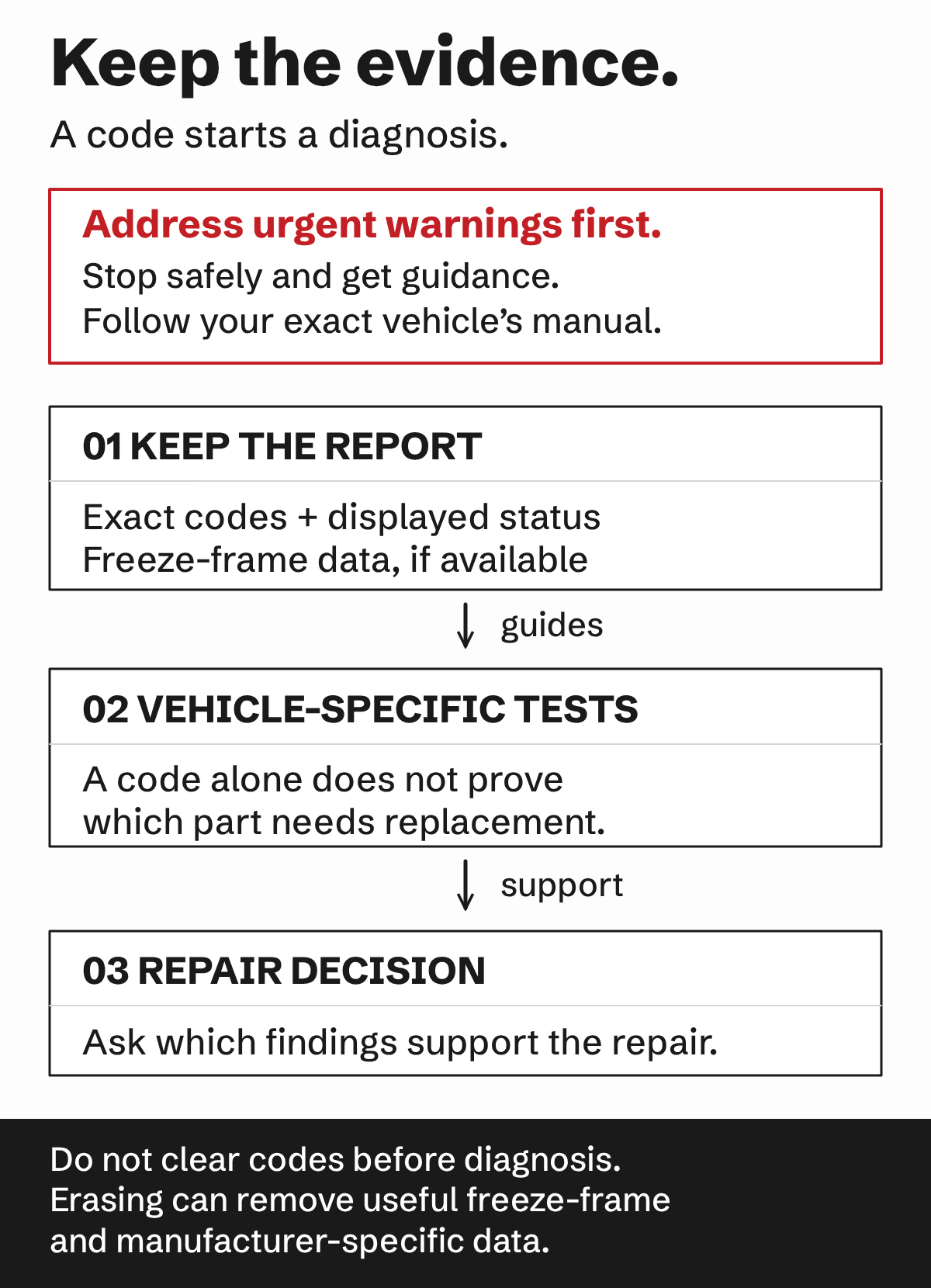
Save the code report before anyone clears it
Ask for the complete code report: every exact code, its status, and any freeze-frame snapshot of how the engine was running. We'd leave the codes alone until a shop has that report, because erasing them also wipes freeze-frame and manufacturer-specific data a technician can use, and resets the readiness monitors (opens in a new tab).
While you're safely parked, write down when the warning started, whether the engine was running, whether the light was steady or flashing, and any symptoms or other warnings. Add any recent refueling or repairs and the checks you've already made. Give the shop your car's year, make, model, powertrain and mileage along with the report, tell them if anyone has already cleared the codes, and ask how they want the car brought in.
Don't disconnect the battery to make the light go away, either. That can also lose stored evidence and reset readiness, and on a 2025 Mazda CX-5, Mazda warns that disconnecting and reconnecting the battery cables with the check engine light on could damage the engine and start a fire (opens in a new tab).
The light went off on its own
Keep your notes and the report even after the light goes off. Codes and related data can stay stored (opens in a new tab) after the light turns off, and the symptoms you noticed still matter to the diagnosis.
For an emissions inspection, the light is only part of the picture, and requirements vary by vehicle and where you live. On cars that support permanent trouble codes (opens in a new tab), only the OBD-II system can clear them, once it has confirmed the fault is no longer present. Fix the cause and keep the records instead of trying to force the light off.
More in this category