Cars, tested and explained News, guides and fixes

How we test

Editorial byline

TunedDrive

Vehicle technology and diagnostics. TunedDrive covers new cars, in-car technology, gear and the fixes that keep vehicles running, with model-specific context and clear stop points where a mechanic takes over.

Stories by TunedDrive

24 stories

01

Buying and Ownership

Australian Muscle Cars

Australian muscle cars are the V8 and six-cylinder Fords, Holdens and Chryslers of about 1967 to 1977, built to win at Bathurst. Here are the key cars, the 1972 Supercar Scare, and how to bring one to the US.
02

Buying and Ownership

The Mad Max Interceptor

Max's black Pursuit Special was a 1973 Ford XB Falcon GT hardtop with a fake supercharger, and the original car survives in a Florida museum while replicas fill the gap for everyone else.

03

Buying and Ownership

Ford Falcon XA, XB and XC Hardtop

Ford Australia built its two-door Falcon hardtop from 1972 to 1978 in XA, XB and XC form, with GT, John Goss Special and Cobra versions that buyers now need to verify before paying collector money.

04

Buying and Ownership

Valiant Charger

The Valiant Charger was Chrysler Australia's short-wheelbase coupe of 1971 to 1978. Here are the Hey Charger launch, the R/T and E49 Hemi six engines, the earlier hardtops, how it differs from the Dodge, and buying checks.

05

Buying and Ownership

Holden Monaro

The Holden Monaro was Holden's two-door muscle coupe and a Bathurst winner in 1968 and 1969. Here are the HK to HZ years, the GTS 350, the 2001 revival sold as the Pontiac GTO, and buying checks.

06
07

Dashboard and Diagnostics

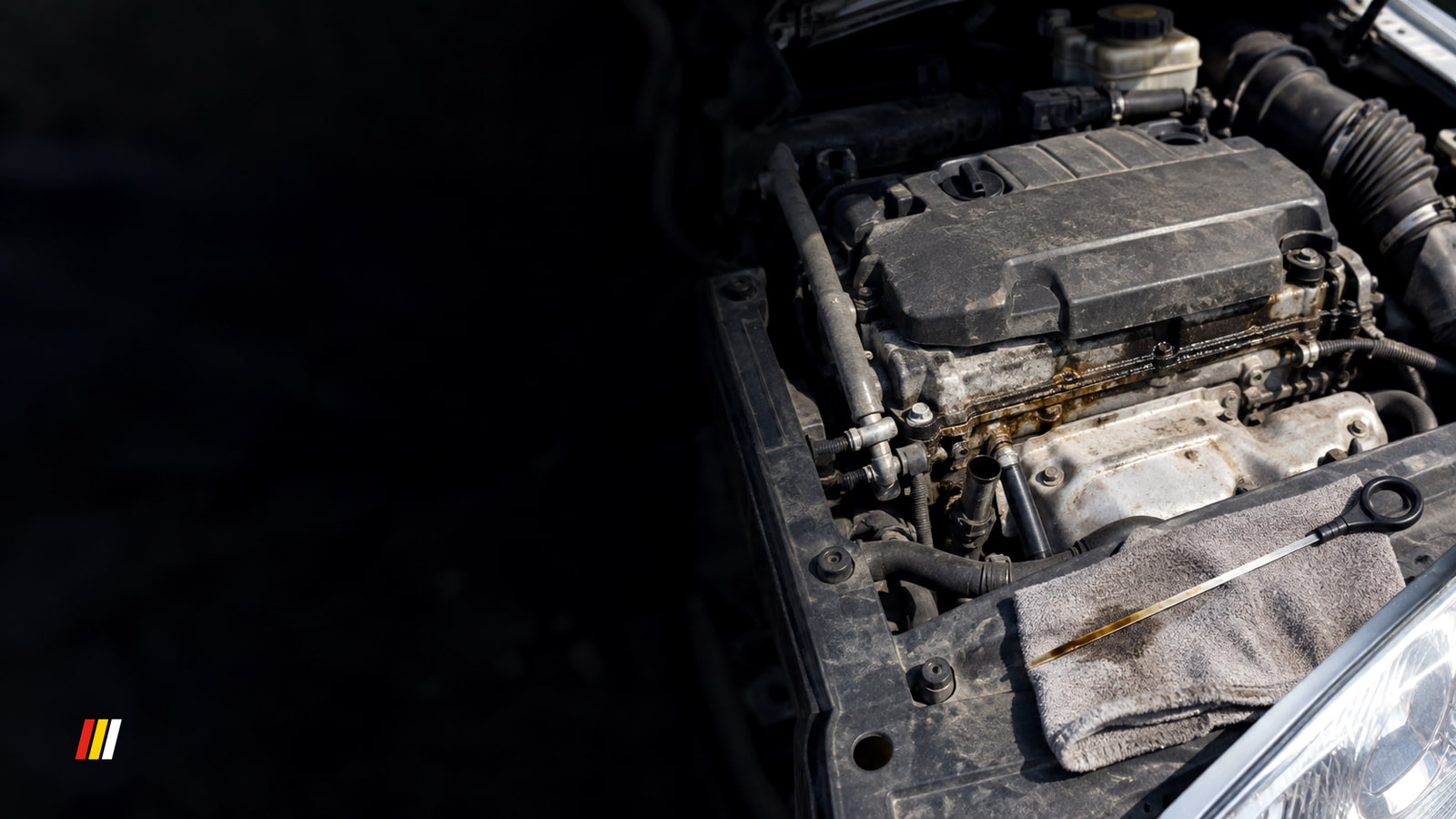
How to Fix an Oil Leak

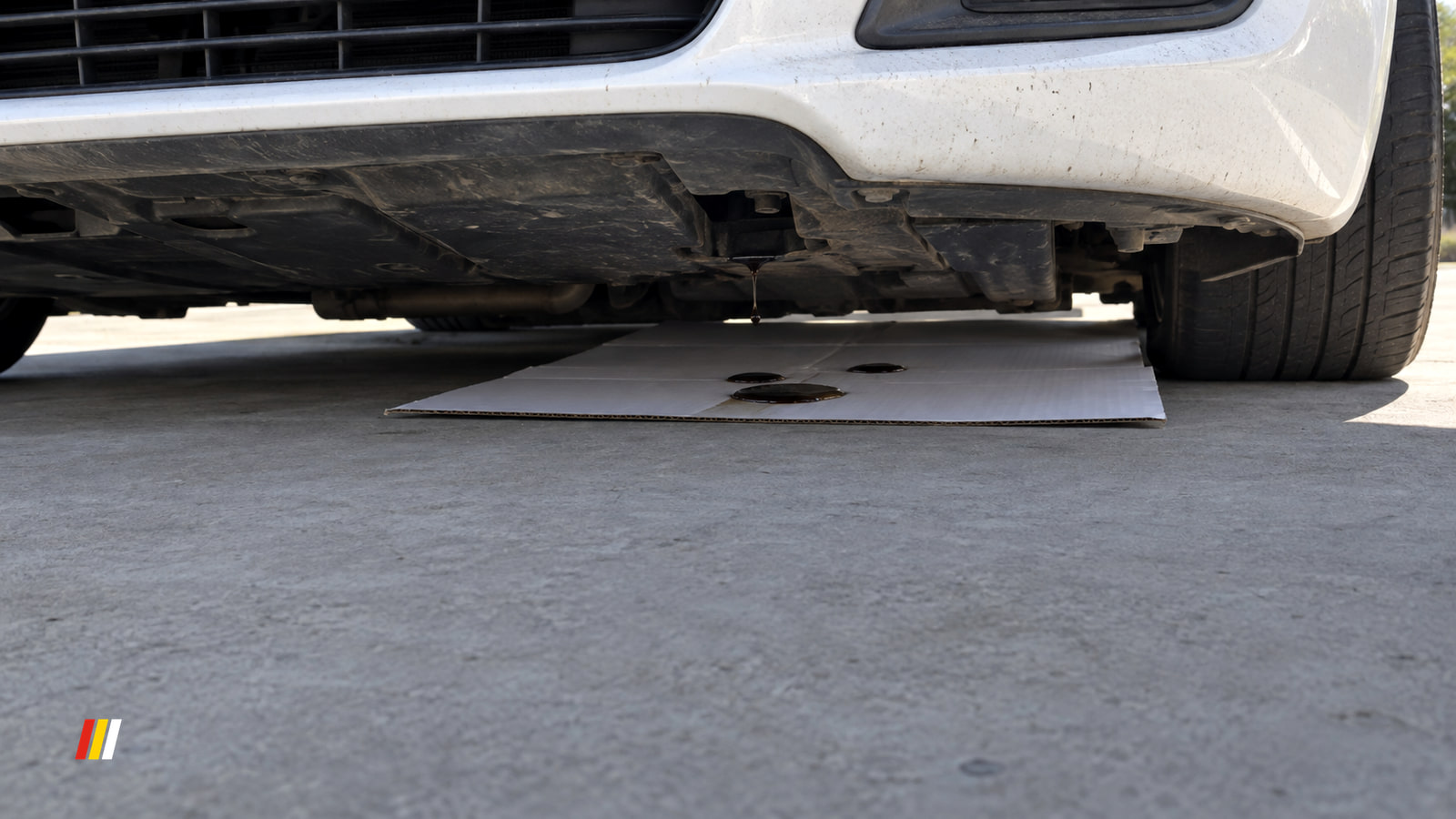
Car leaking oil? Check warning signs, catch fresh drips on cardboard, then trace the wettest point before choosing a repair.

08
09
10

Dashboard and Diagnostics

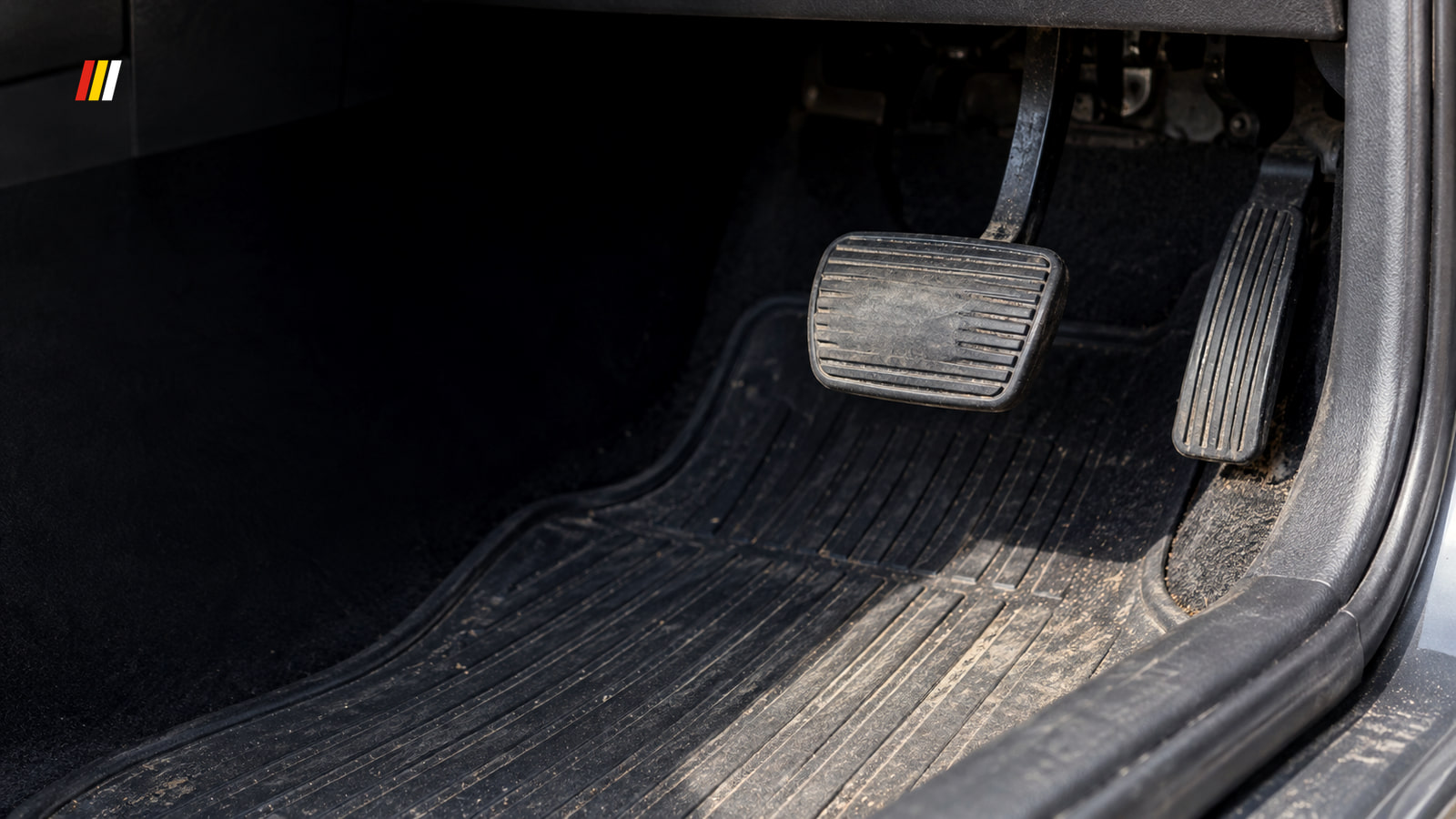
Why Does My Brake Pedal Feel Soft?

If your brake pedal feels soft or spongy, air or lost hydraulic pressure may be the cause. Here's why it's not safe to drive and what the shop has to find.

11

Dashboard and Diagnostics

Why Do My Brakes Squeal When Turning?

Brake squeal when turning can come from pad wear, loose hardware, a rubbing shield, debris or a dragging brake. Notice whether light braking changes it.

12

Dashboard and Diagnostics

Why Is My Traction Control Light On?

A brief flash usually means traction control is working. A steady light means it’s off or needs diagnosis; a brake warning changes whether you can drive.

13

Dashboard and Diagnostics

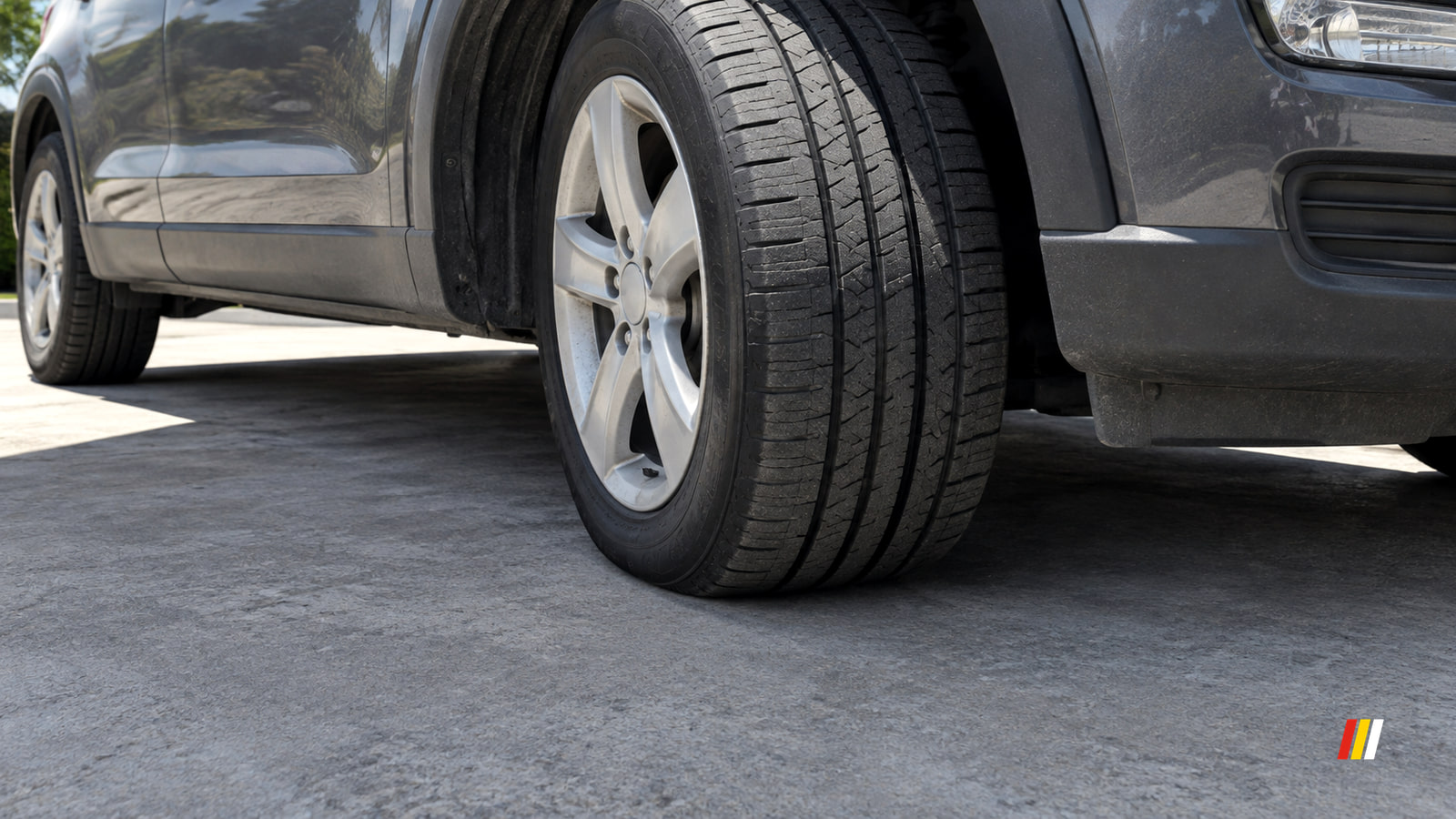
What Is Tire Aspect Ratio?

Wondering what a tire’s aspect ratio means? Read the middle number, calculate sidewall height and weigh the ride tradeoff before changing size.

14

Dashboard and Diagnostics

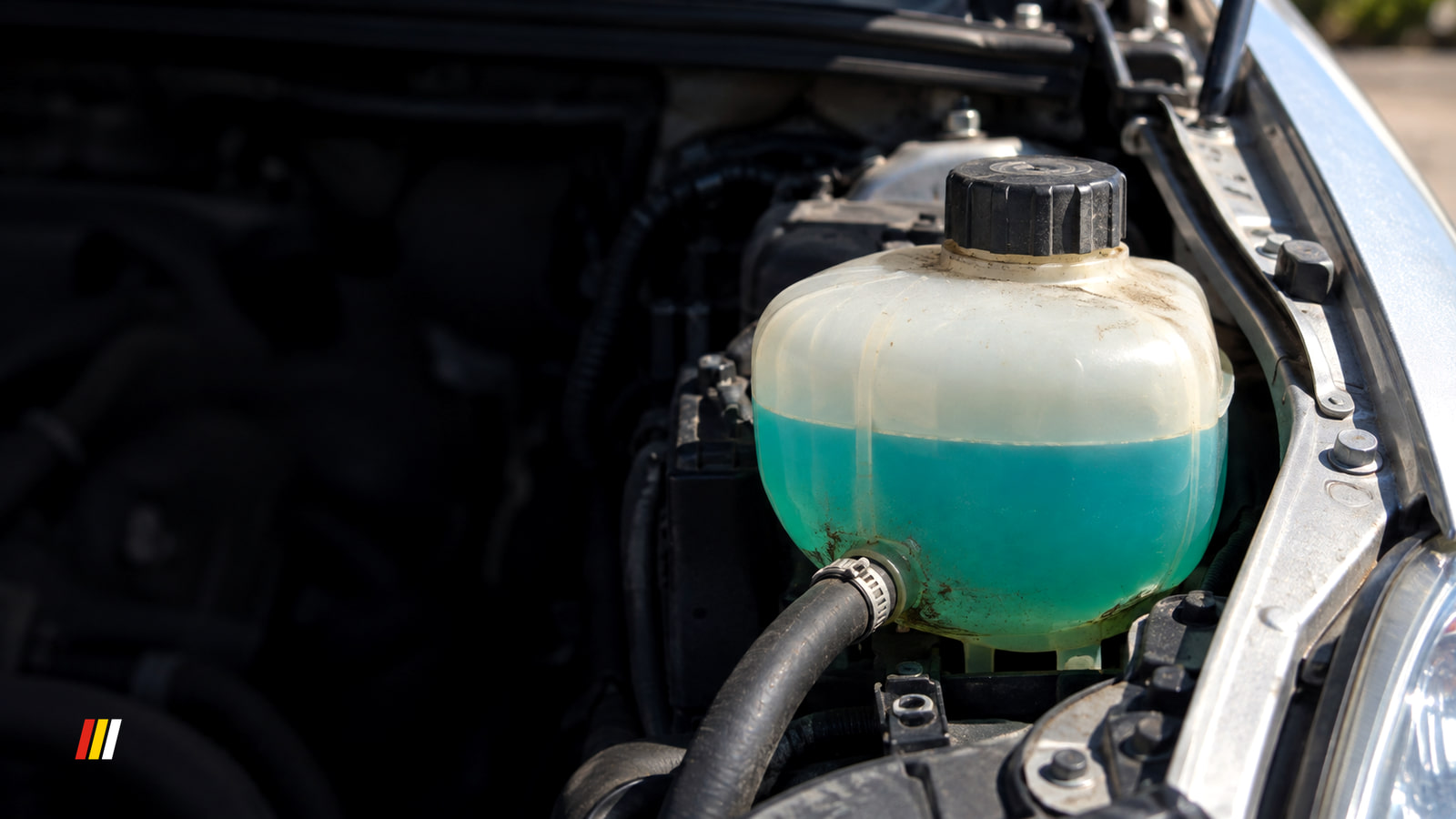
What Color Is Antifreeze?

Antifreeze can be green, yellow, orange, red, pink, blue or purple. Match your car’s coolant specification to the bottle, not its color.

15
16

Dashboard and Diagnostics

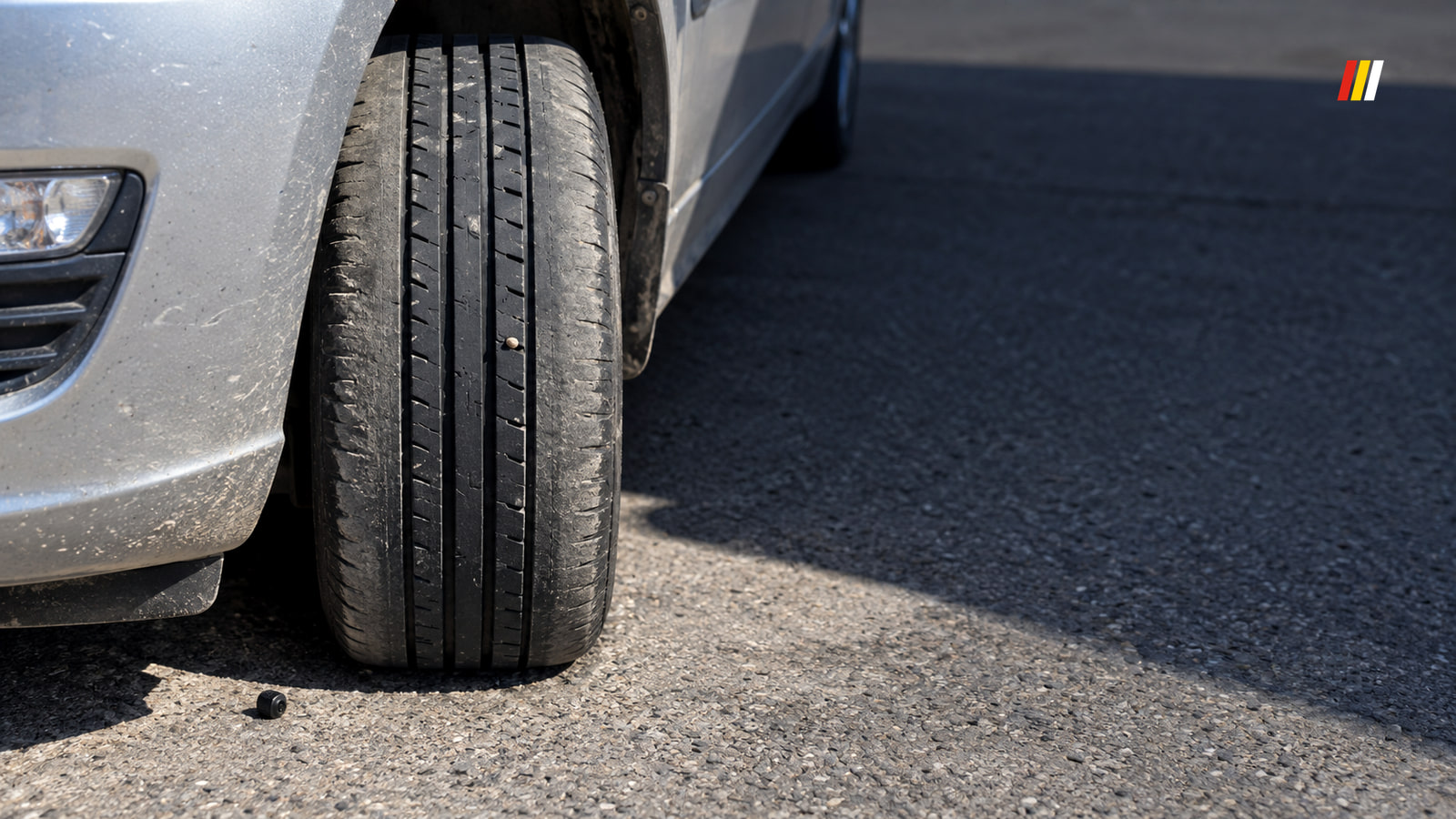
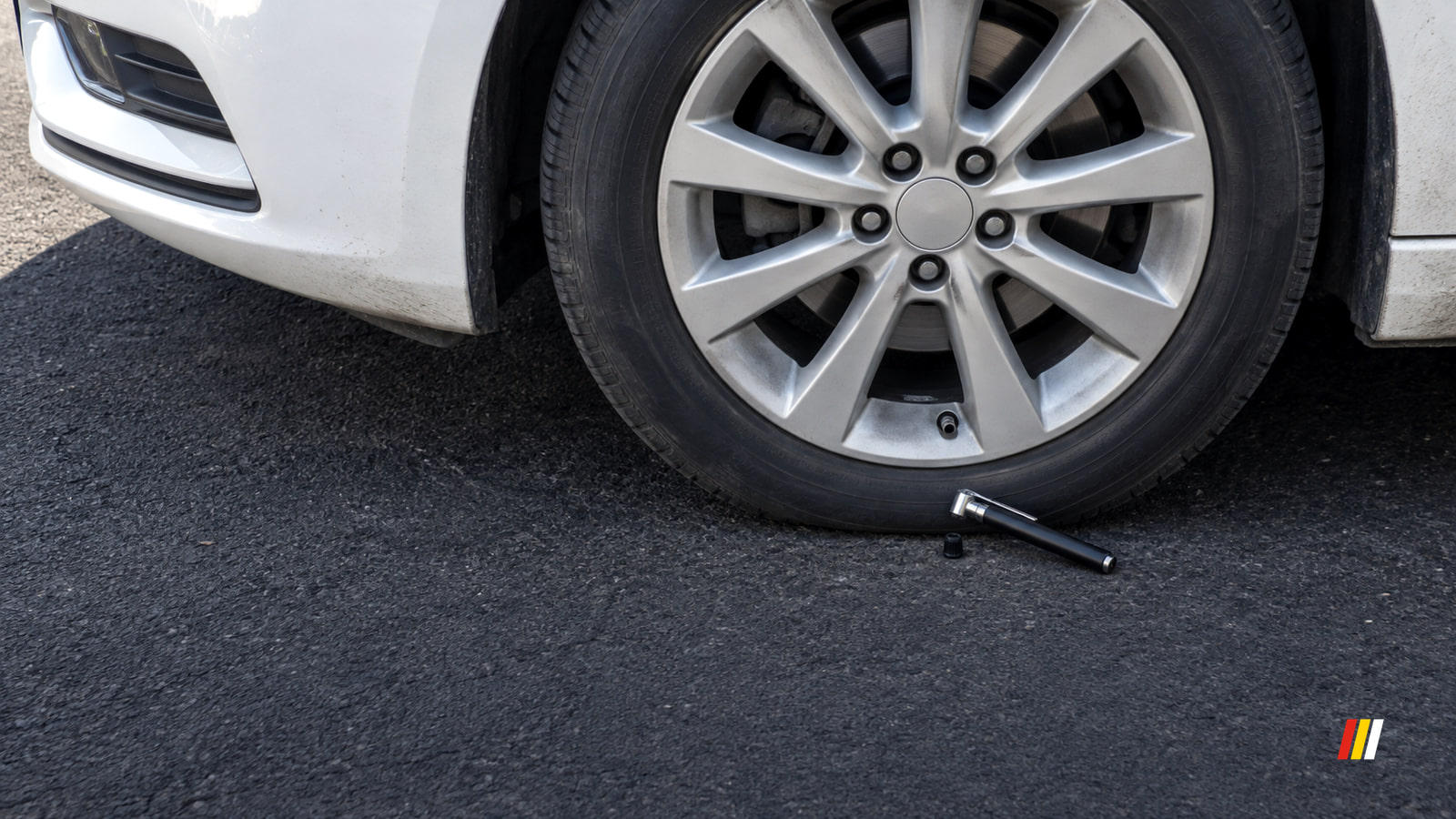
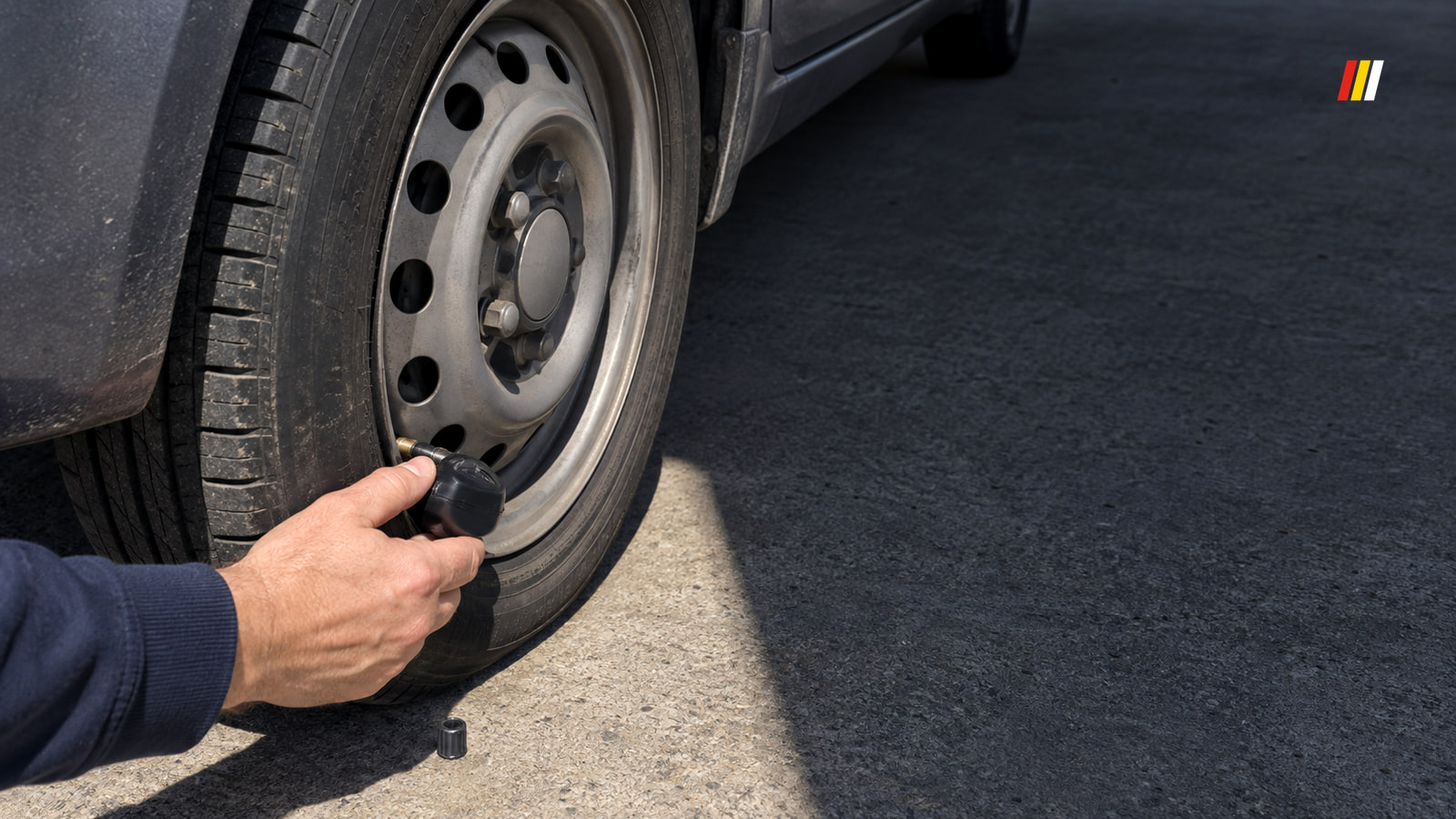
How Good Is 40 PSI Tire Pressure?

Is 40 PSI good tire pressure for your car? Compare a cold gauge reading with your car’s recommended pressure before adding or releasing air.

17

Dashboard and Diagnostics

How to Stop an Engine Oil Leak

Car leaking oil when parked? Check the drip and dipstick, then have its source repaired. An oil-pressure light or burning-oil smell means stop driving.

18
19
20

Dashboard and Diagnostics

What Is a Tire Hub?

A tire hub is usually the wheel hub behind the wheel. It holds the wheel to the vehicle, while a bearing lets it turn smoothly.

21

Dashboard and Diagnostics

What Causes Tire Cupping?

Scalloped tires come from anything that stops smooth road contact, like misalignment, worn suspension, imbalance or wrong pressure. Here's what to check.

22
23

Dashboard and Diagnostics

How Much Are Brake Pads?

Brake pads cost $50 to $100 per axle as parts, $170 to $340 installed at an independent shop, or about $300 at a dealer for most cars.

24

Dashboard and Diagnostics

Why Does My Car Shake When Braking?

Car shakes when braking? Separate rotor, pad and caliper clues from wheel or suspension vibration, and know what to report for prompt inspection.

How we test