What the pilot produced
- Applies to
- Cadillac LYRIQ, LYRIQ-V, VISTIQ, ESCALADE IQ and IQL, plus Chevrolet Silverado EV Trail Boss and GMC Sierra EV AT4
- Recycled content
- Nickel, cobalt and manganese in the new cells
- Batteries recovered
- 80 retired GM EV batteries
- Cathode material
- More than 12 metric tons
- Partners
- Cirba Solutions, Ultium Cells and LG Energy Solution
GM says its closed-loop battery recycling pilot wrapped up this month, and the first EVs built with cells using 100% recycled nickel, cobalt and manganese are now headed to customers (opens in a new tab). The recycled content includes material taken from end-of-life GM EV battery packs.
Working with its partner Cirba Solutions, the automaker recovered 80 retired GM EV batteries. Processing took place at a Cirba Solutions site, where the packs became black mass, and that intermediate material yielded over 12 metric tons of fresh cathode active material. According to GM, the resulting material met the company's standard for EV quality, safety and performance.
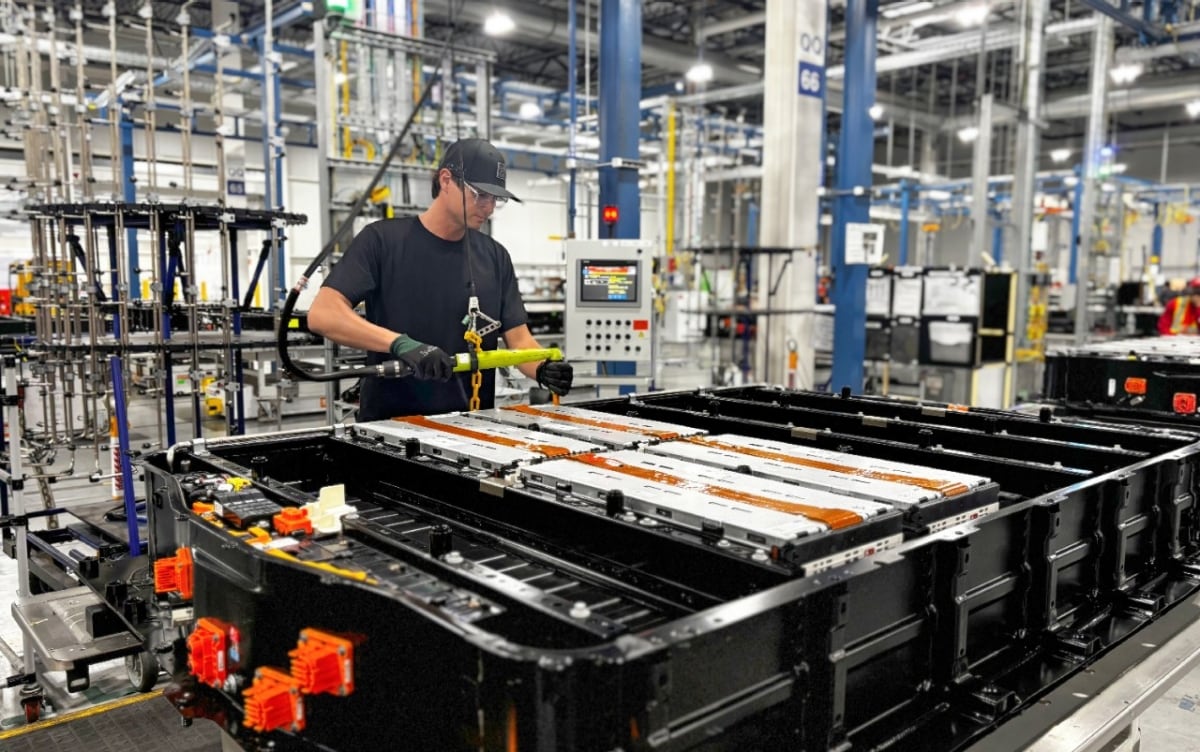
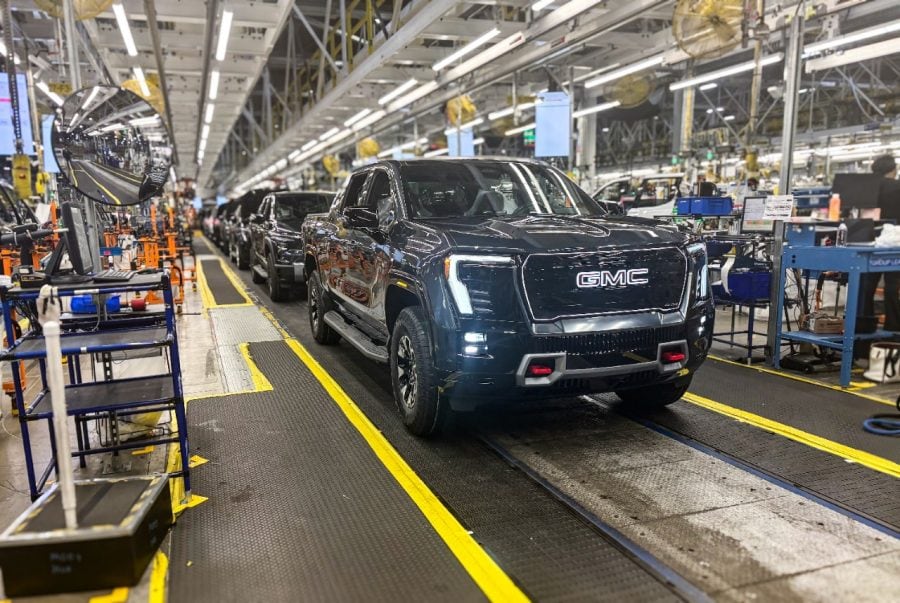
Ultium Cells produced new EV battery cells using the recycled cathode material. The cells were assembled into modules and packs at Factory ZERO and Spring Hill, and the first vehicles rolled off the line at Spring Hill Assembly and Factory Zero. The models involved are the Cadillac LYRIQ, LYRIQ-V, VISTIQ, ESCALADE IQ and IQL, along with the Chevrolet Silverado EV Trail Boss and GMC Sierra EV AT4.
What it means for battery costs
GM says the pilot supports its efforts to explore cheaper batteries and reduce emissions associated with battery materials. According to the company, recovering minerals could help lower costs over time, limit demand for newly mined resources and make supplies more resilient.
GM says years of work went into the pilot, which supplied data and experience for further development. Its refurbishment and remanufacturing programs target reuse of over 70% of components in a pack. Separately, GM says it and Redwood Materials are deploying about 10,000 second-life GM batteries for energy infrastructure, with further installations planned at U.S. manufacturing sites.
What owners should know
GM cites general recycling recovery rates reaching 95% for nickel, manganese and cobalt, and 80% for lithium. Those limits depend on the chemistry of the batteries and the conditions used during processing; they are not reported results from this pilot.