Dashboard and Diagnostics
What Does the P0420 Code Mean?
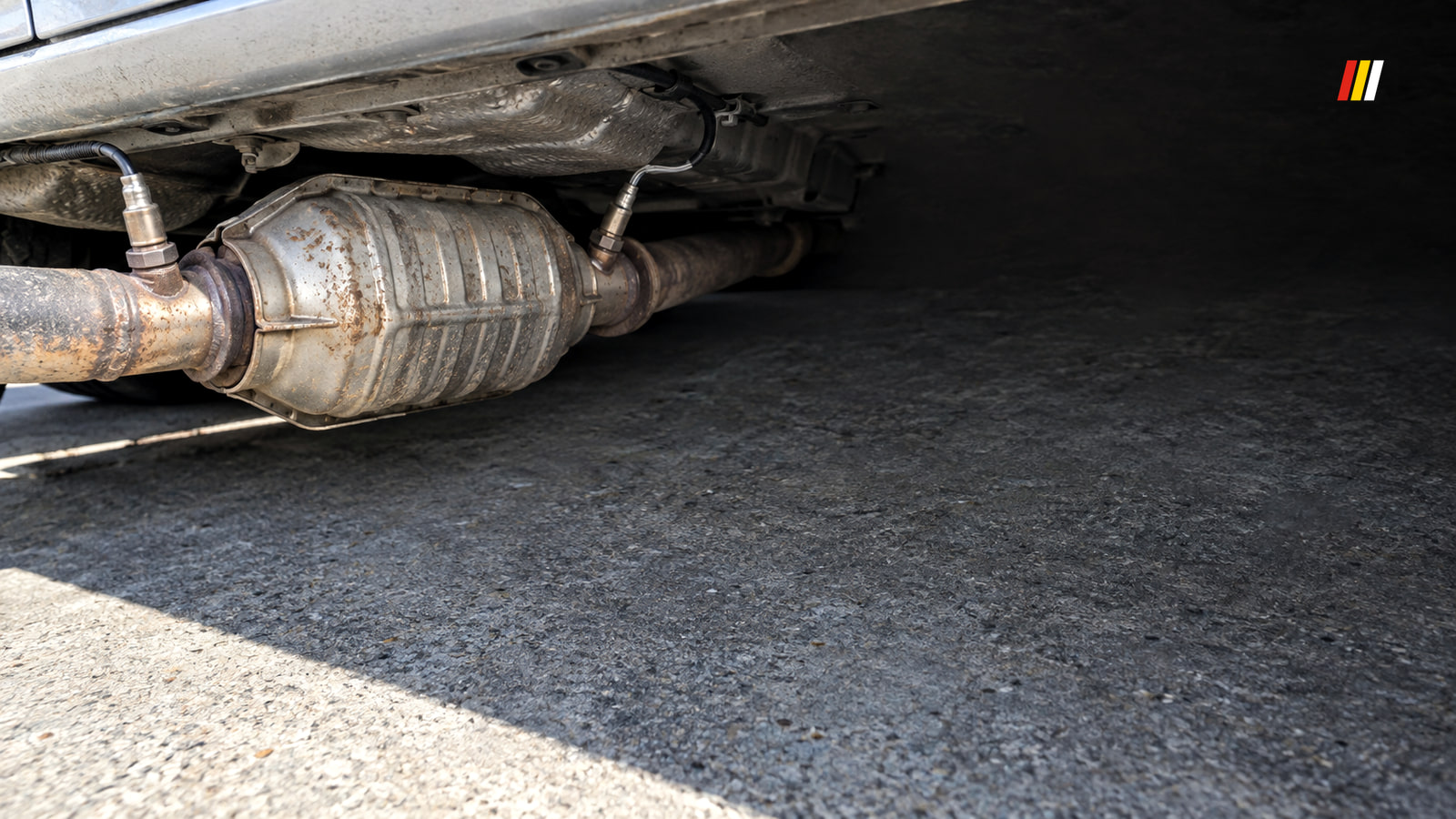
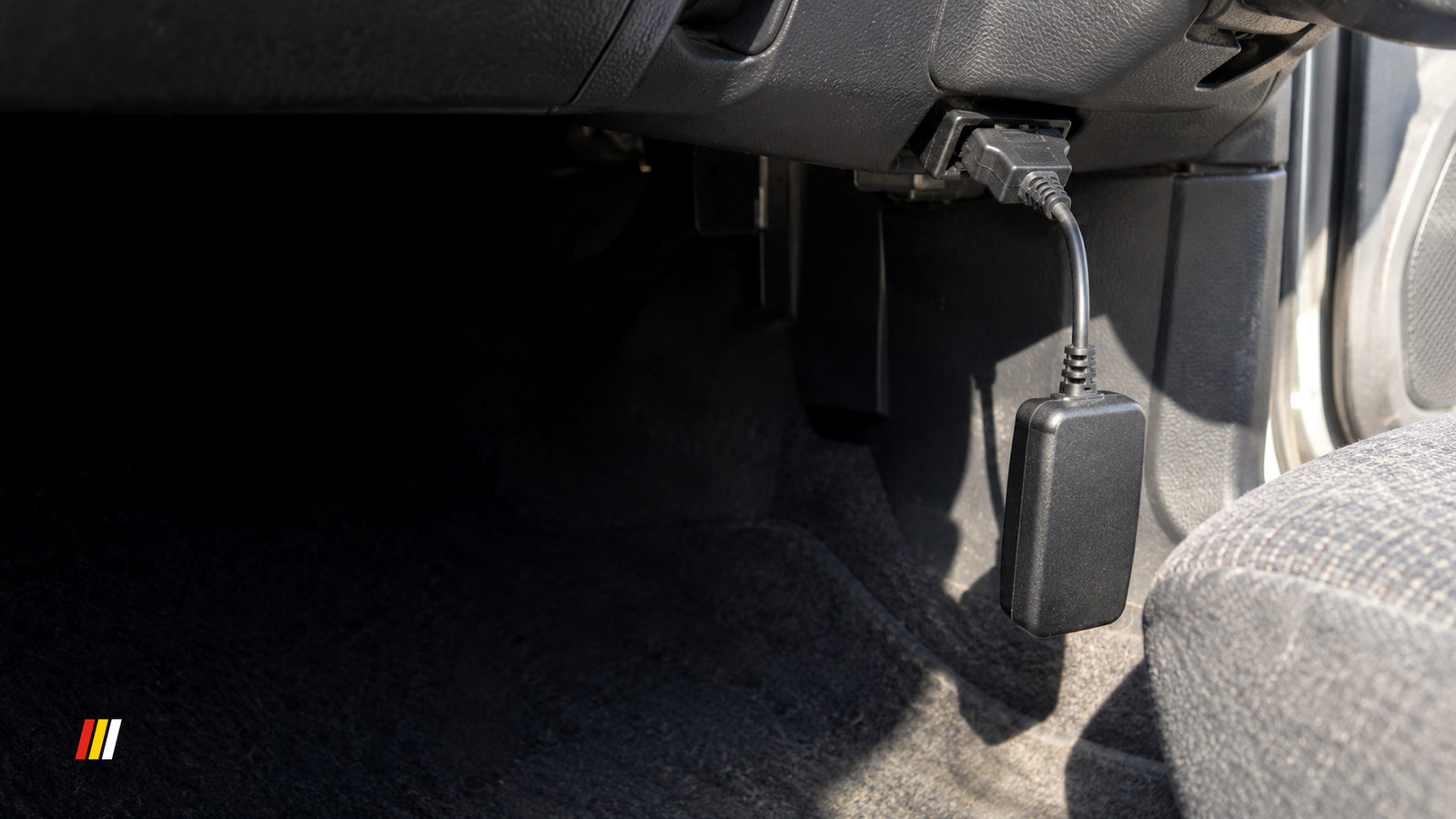
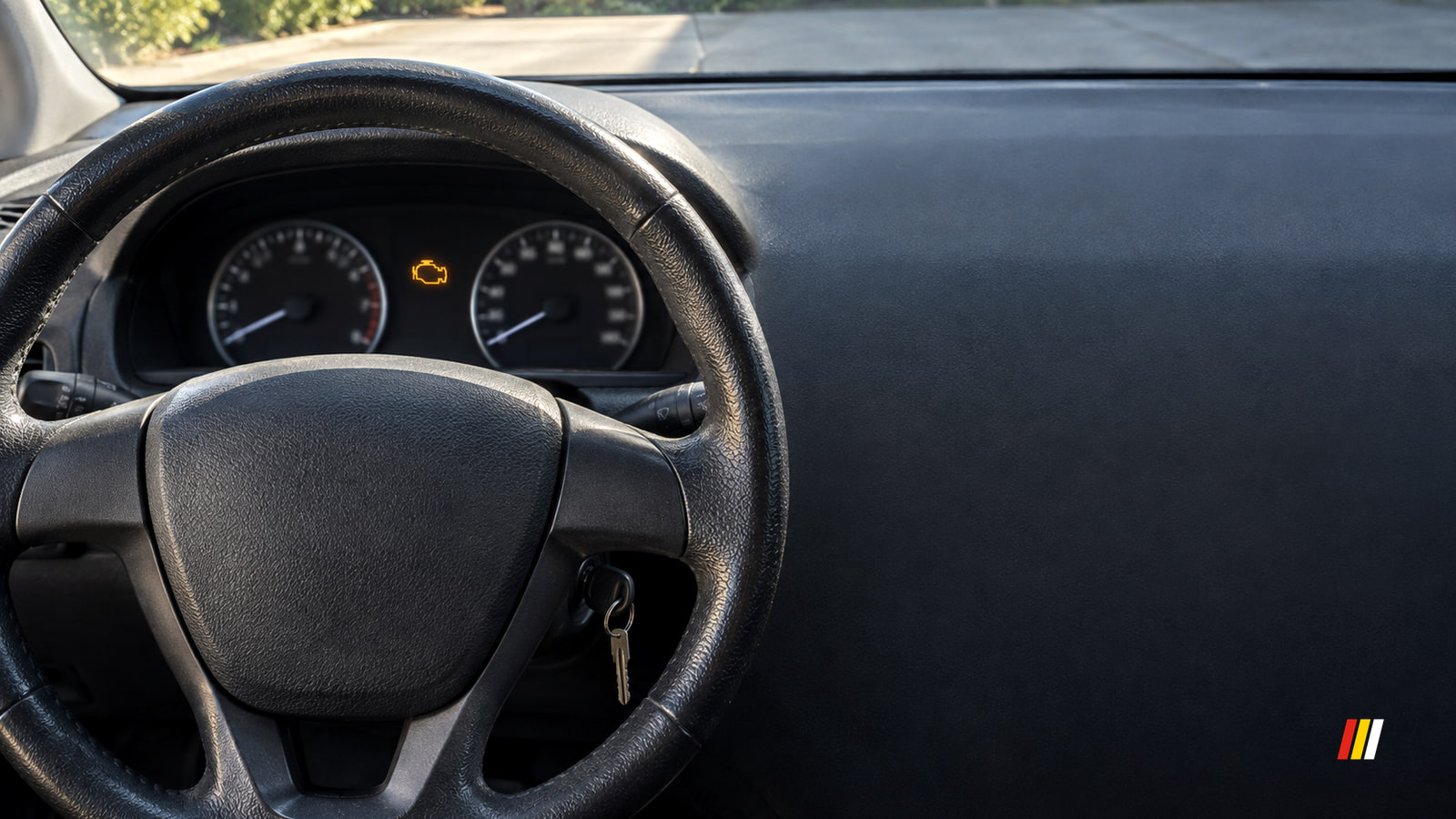
A P0420 code flags low Bank 1 catalyst efficiency. Learn the possible causes and what should be checked before you approve replacement parts.
Cars, tested and explained/ News, guides and fixes
How we testOn this desk
Warning states, OBD information, tires, and safe next steps.
Dashboard and Diagnostics
A P0420 code flags low Bank 1 catalyst efficiency. Learn the possible causes and what should be checked before you approve replacement parts.
Dashboard and Diagnostics
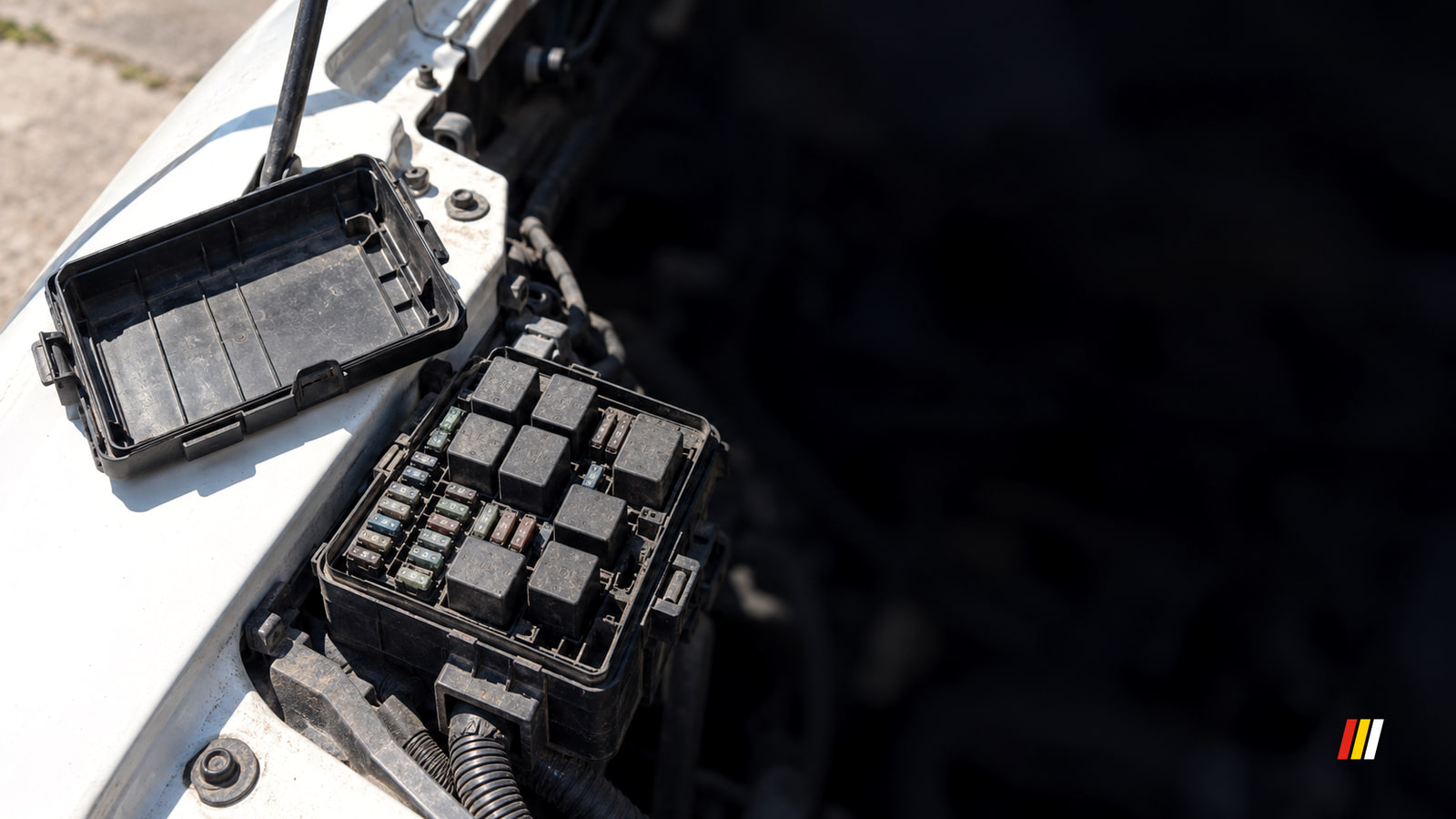
A bad fuel pump relay can cause a no-start or a sudden stall. Here’s how to read the symptoms and what to have checked before replacing parts.
Dashboard and Diagnostics
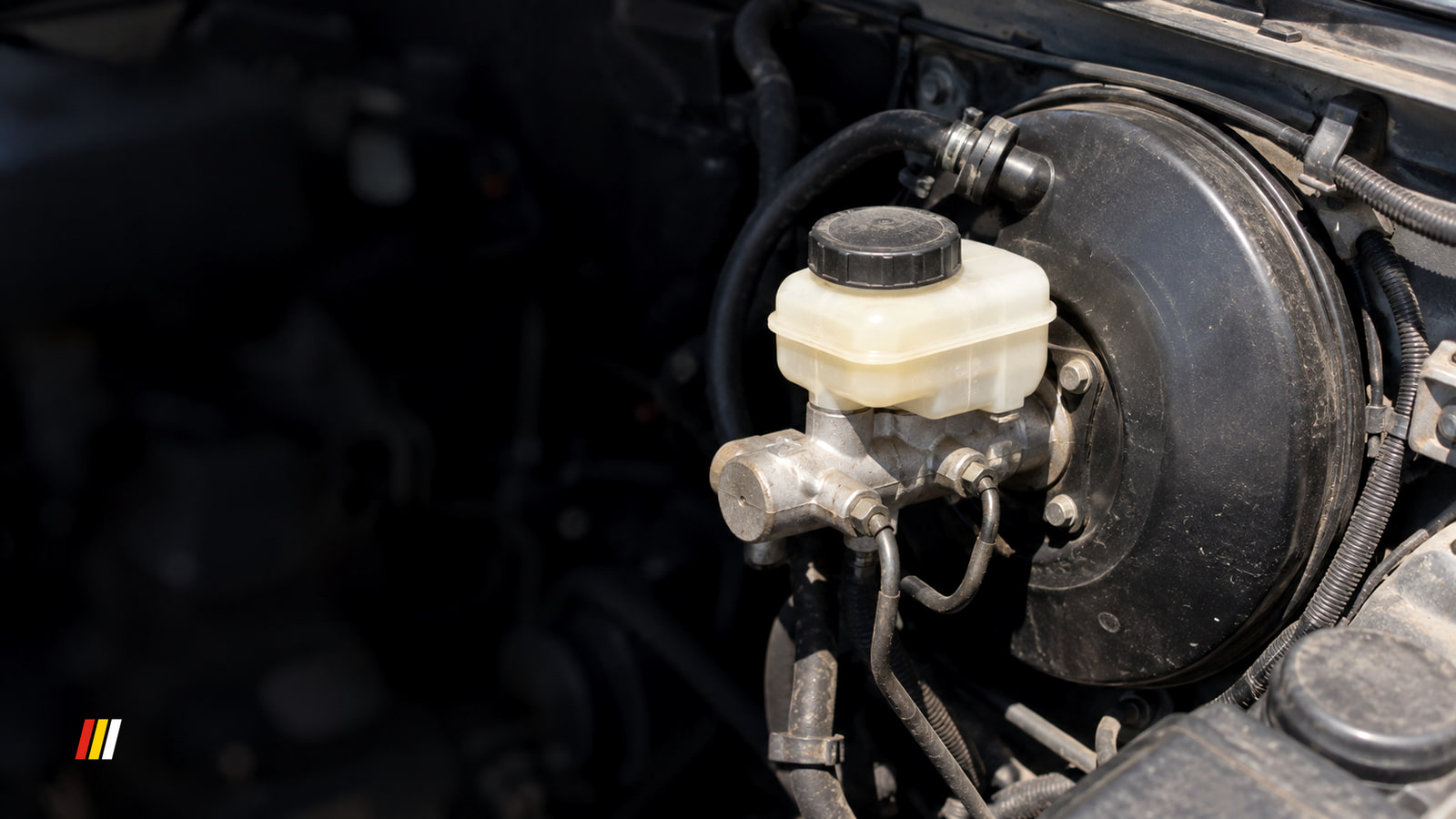
A bad brake booster can cause a newly hard pedal, longer stops, and hissing when you brake. If braking changes while driving, stop and arrange a tow.
Dashboard and Diagnostics
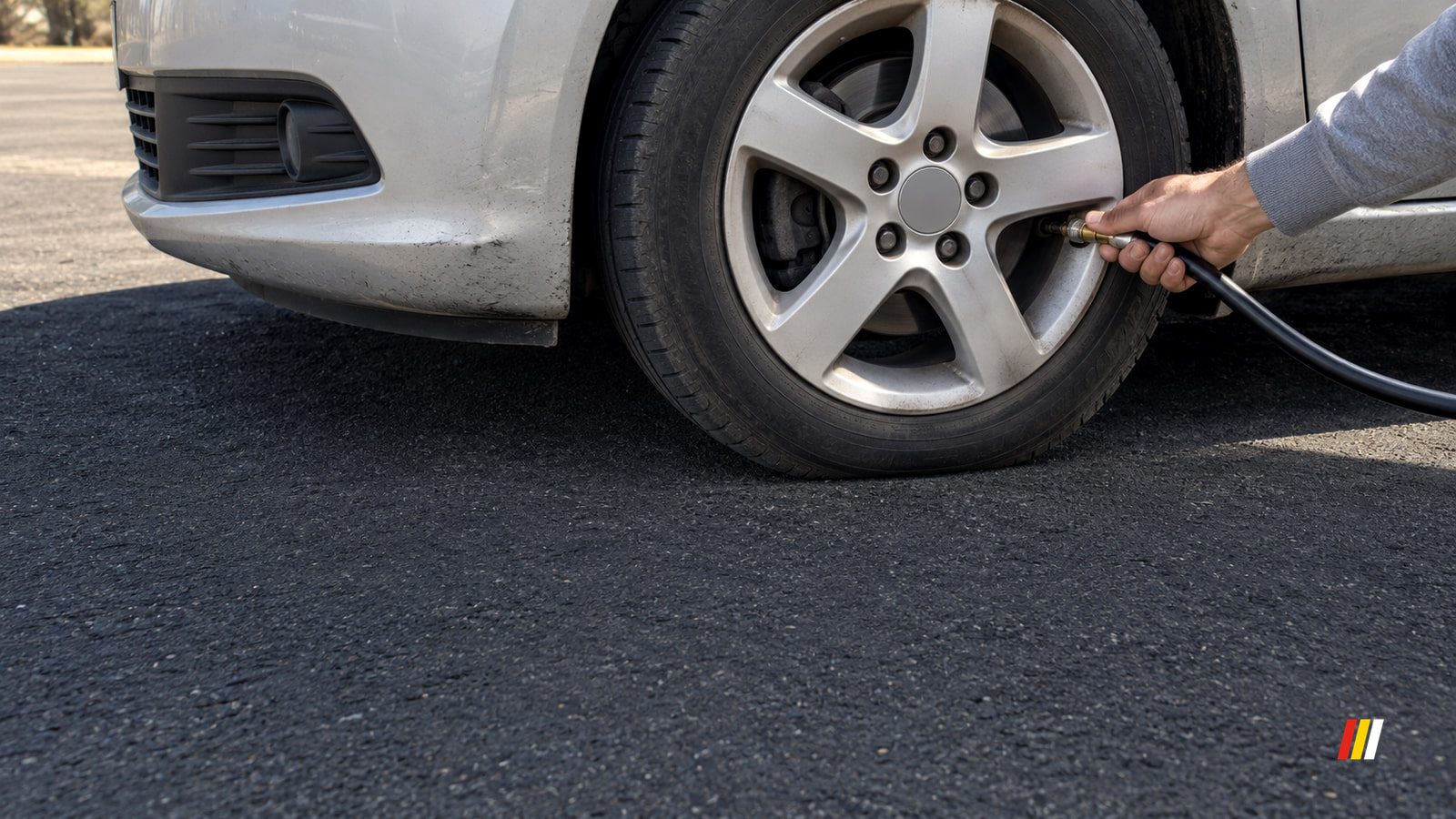
Use the recommended cold PSI on the vehicle’s tire label, usually inside the driver’s door. Match each tire to its front, rear, or spare value.
Dashboard and Diagnostics
Tire balancing uses rim weights to help a mounted tire and wheel spin smoothly. A speed-related shake calls for a check, but balancing cannot repair damage.
News
Autel U.S. hosts a one-day HVAC and thermal management training session in New York for technicians and educators, led by AC909 developer Gary DeLuca.
Dashboard and Diagnostics
These five scanners can command vehicle components during diagnosis. Two offer free ongoing updates, while gateway access and activation requirements differ.
Dashboard and Diagnostics
A shaking steering wheel can point to different problems depending on when it happens. Start with the timing, then check the tires while parked.
Dashboard and Diagnostics
ABS helps you steer while braking hard. Learn what pedal pulsing means, when an ABS light needs diagnosis, and when a brake warning means stop.
Dashboard and Diagnostics
An alignment sets your wheel angles to your car's specifications. Learn what the shop checks, what the report shows and which symptoms to mention.
Dashboard and Diagnostics
Tire alignment measures and corrects wheel angles so your car tracks straight and wears its tires evenly. Check cold tire pressure before paying for it.
Dashboard and Diagnostics
ABS brakes help keep wheels rolling so you can steer during a hard stop. A pulsing pedal can be normal; an ABS light that stays on needs attention.
Dashboard and Diagnostics
ESC means Electronic Stability Control. See what a flashing, steady or OFF light means, and when another brake warning changes your next step.
Dashboard and Diagnostics
The last four DOT digits give a tire's manufacturing week and year. Read them to work out its age, then check what that age means for your tire.
Dashboard and Diagnostics
To put air in car tires, find the recommended pressure, use your own gauge at the pump, and recheck each tire after filling.
Dashboard and Diagnostics
Read the driver’s door placard for the factory tire size, then compare it with the complete sidewall code on each tire on your car.
Dashboard and Diagnostics
Enter your VIN in the free federal recall lookup. An open result needs action; a zero result means no unrepaired recall appears within the lookup’s coverage.
Dashboard and Diagnostics
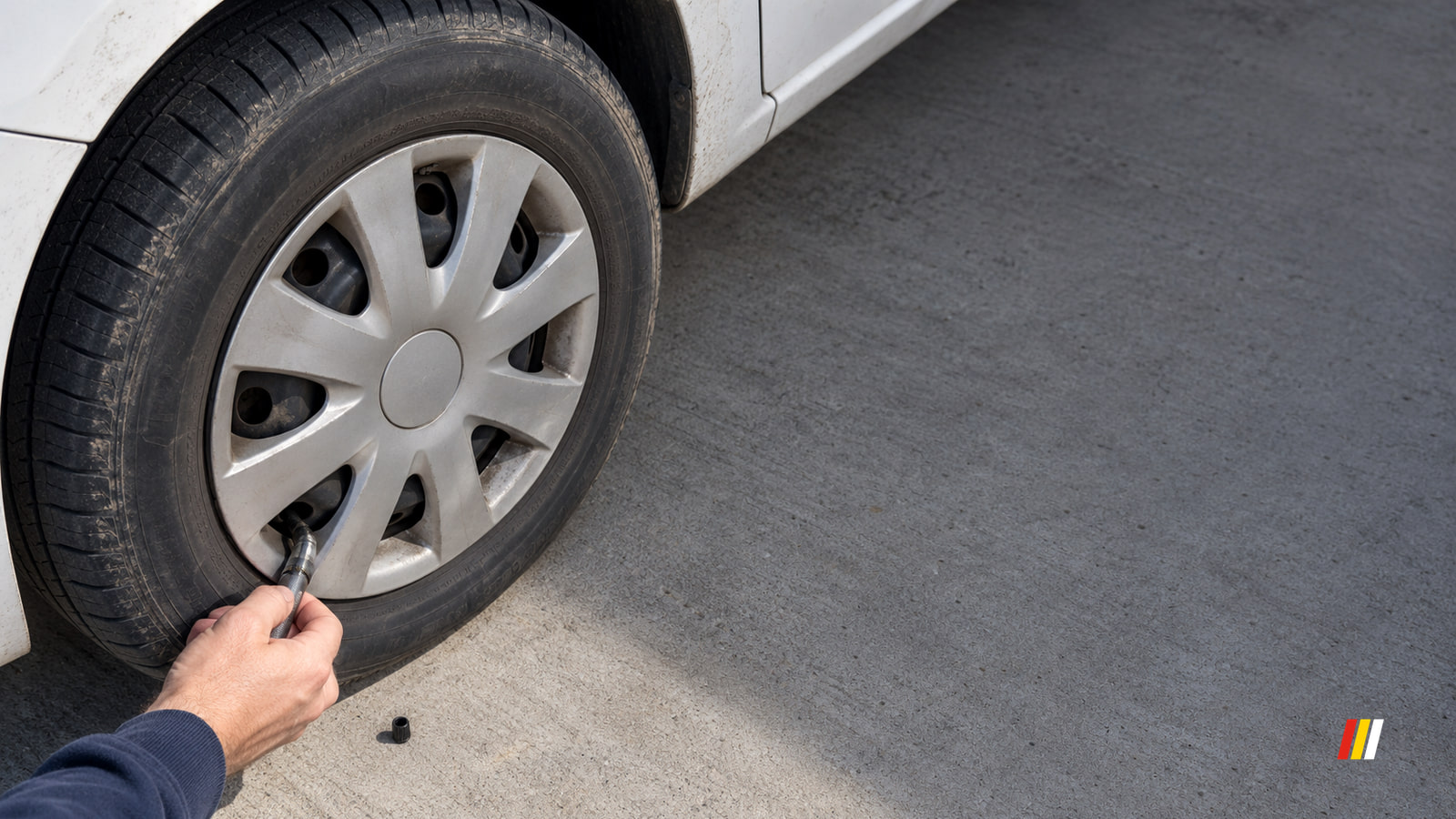
A steady tire pressure light usually means low air. Check all four tires with a gauge; a light that flashes first points to a monitoring fault.
Dashboard and Diagnostics
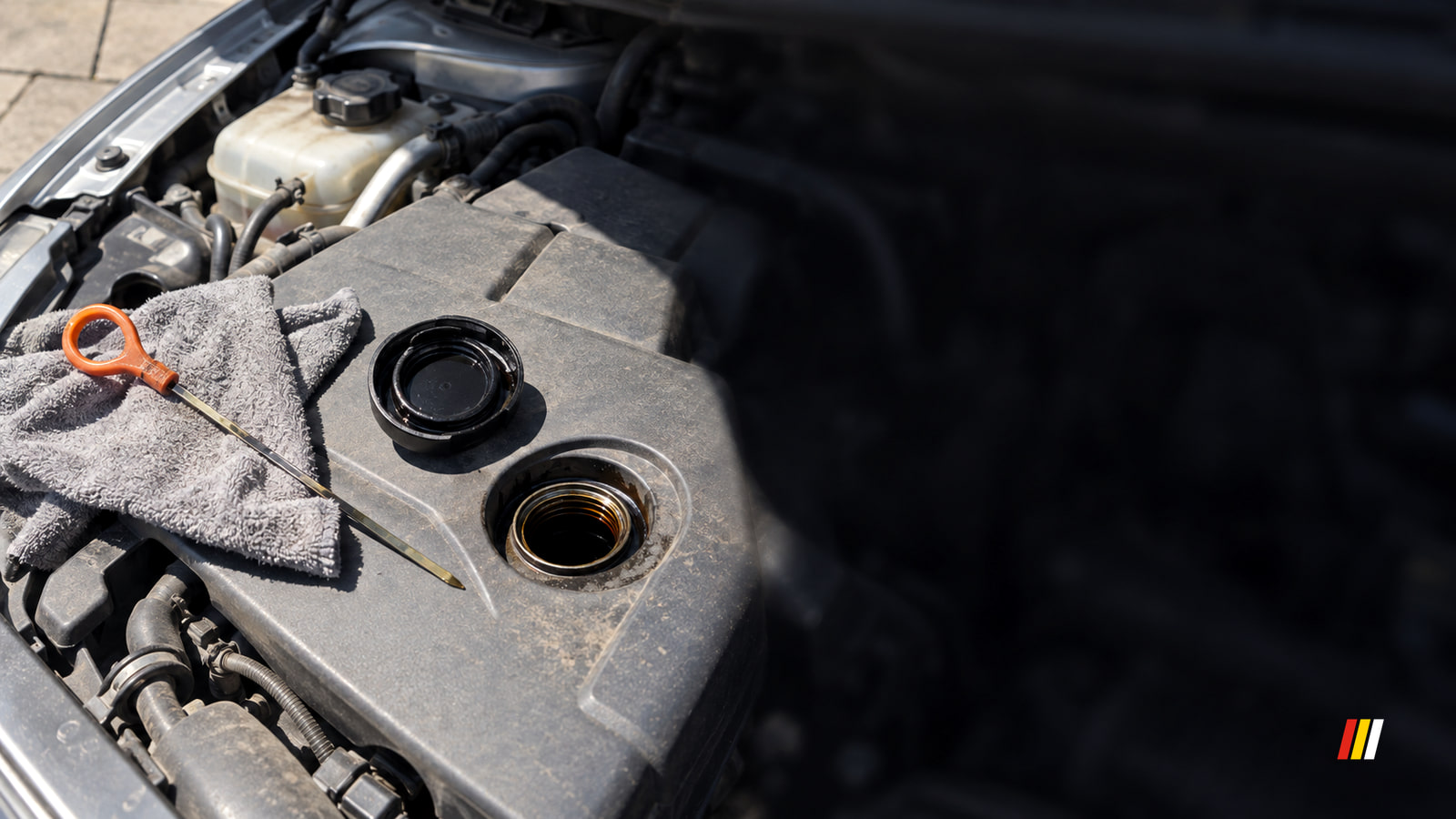
A check engine light isn't an oil change reminder. Oil trouble or something disturbed during service can trigger it, so identify the warning first.
Dashboard and Diagnostics
Check engine light on but car running fine? Check for a flashing light or other warnings first, then check the fuel cap and arrange a diagnosis.
Dashboard and Diagnostics
A flashing check engine light calls for a safe stop. If it's steady and the car feels normal, check your car's warning instructions and arrange a diagnosis.